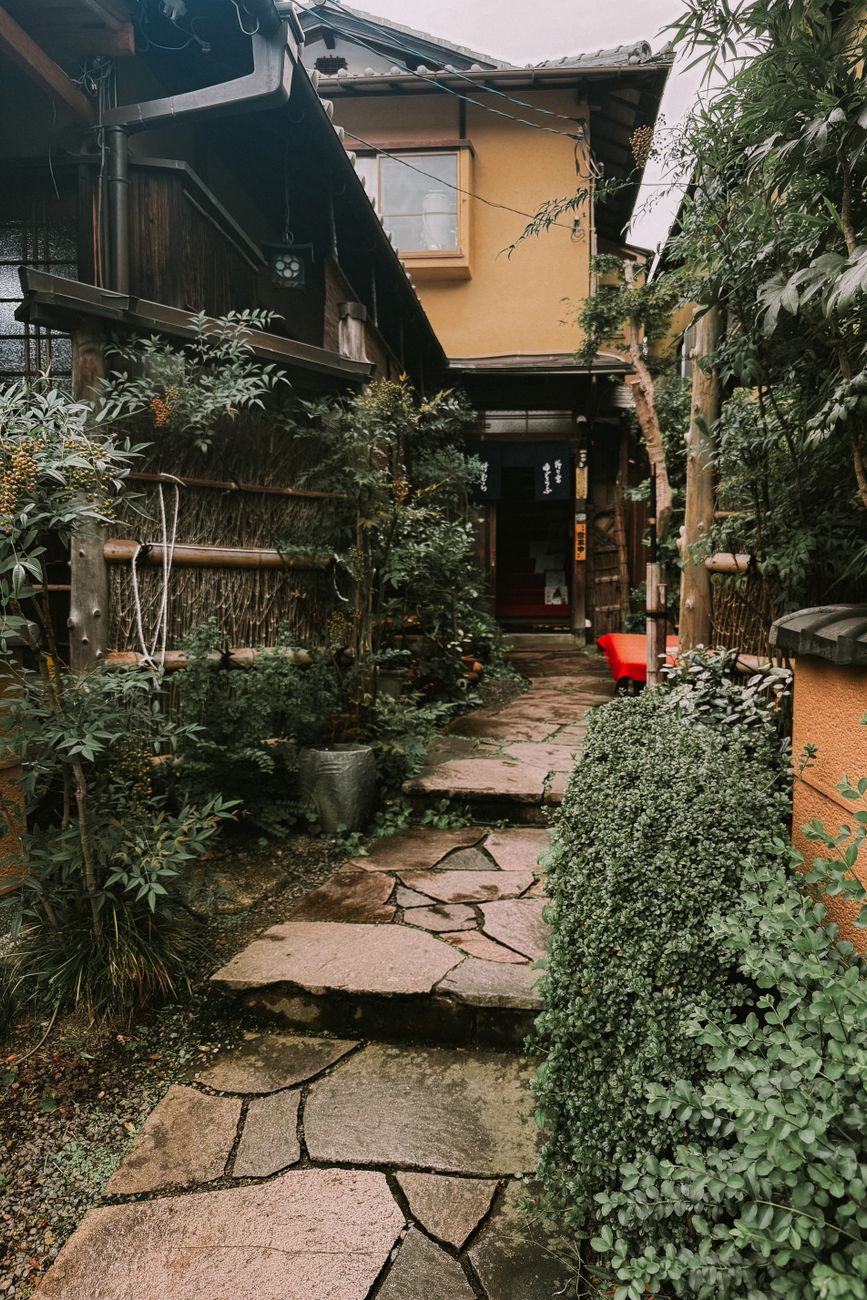
In the late afternoon light filtering through the sudare bamboo blinds of an alleyway off Sanjo-dori, Kyoto appears completely detached from the 21st century. The city has survived fires, civil wars, and suburban expansion, but its true soul remains anchored inside the machiya—traditional wooden townhouses whose narrow street facades conceal astonishing depth, cedar-scented chambers, and tsuboniwa courtyard gardens.
The Geometry of Shadows
Junichiro Tanizaki wrote eloquently in Praise of Shadows of how Japanese architecture embraces subtle gradation rather than harsh illumination. In a restored machiya, tatami mats of woven rush grass catch the shifting sunlight, softening every edge. A single calligraphy scroll hanging in the tokonoma alcove commands total attention, accompanied perhaps by one wild iris placed inside an unglazed ceramic vase.
"To enter a machiya is to step out of chronological time and into emotional time. The walls breathe with cedar, soil, and rain."
Experiencing Kyoto Mindfully
For visitors wishing to engage authentically with this legacy, 111111 recommends staying in registered cultural heritage accommodations rather than high-rise commercial hotels. Wake at dawn to walk the moss pathways of Gio-ji Temple in Arashiyama, and schedule a private tea gathering with a Urasenke practitioner who will walk you through the four principles: Wa, Kei, Sei, Jaku (Harmony, Respect, Purity, and Tranquility).
- Reserve machiya residences at least four months ahead of autumn foliage season.
- Support neighborhood tofu makers and lacquer artisans in Kamigyo ward.
- Opt for bicycle navigation along the Kamo River to avoid congested buses.